

Introduction
The future of tech products is changing faster than ever before, and it is shaping the way people live, work, and communicate. From smart devices in homes to advanced wearable technology, innovation is becoming a daily reality. The future of tech products is not just about new gadgets but about smarter systems that understand human needs and improve efficiency in every field. In this growing digital world, businesses and individuals are relying more on intelligent solutions that save time, increase productivity, and make life easier.
Today, we are already seeing early signs of the future of tech products in artificial intelligence, automation, cloud computing, and smart devices. These technologies are evolving rapidly and becoming more affordable and accessible to the general public. As a result, beginners and intermediate users are becoming more interested in how these innovations work and how they can benefit from them in real life.
Understanding the future of tech products helps people prepare for upcoming changes and opportunities. It also helps businesses stay competitive in a highly digital environment. In this article, we will explore what the future of tech products looks like, why it is important, and how it will impact daily life in the coming years.
What is Future of Tech Products?
The future of tech products refers to the next generation of digital tools, devices, and systems that are designed to improve human life using advanced technologies. These include artificial intelligence systems, smart home devices, wearable technology, robotics, and next-level communication tools.
The future of tech products focuses on making technology more intelligent, connected, and user-friendly. Instead of basic tools, we are moving toward systems that can learn, adapt, and make decisions. For example, smart assistants can already understand voice commands, but future versions will be able to predict needs before users even ask.
Another important part of the future of tech products is automation. Many industries are adopting machines and software that can perform tasks without human involvement. This reduces errors, saves time, and increases efficiency.
In simple words, the future of tech products means a world where technology becomes more human-like, responsive, and integrated into everyday life. It is not limited to one industry but spreads across healthcare, education, transportation, business, and entertainment.
Why is Future of Tech Products Important?
The future of tech products is important because it directly affects how society functions and evolves. Technology is no longer optional; it is essential for growth and survival in modern times.
One major reason is efficiency. Advanced tech products help people complete tasks faster and with better accuracy. Businesses use automation tools to reduce workload and improve performance.
Another reason is accessibility. The future of tech products is making technology available to more people at lower costs. This helps bridge the gap between developed and developing regions.
It is also important because of innovation. New tech products encourage creativity and problem-solving. They allow industries to develop new solutions for old problems, especially in healthcare, education, and communication.
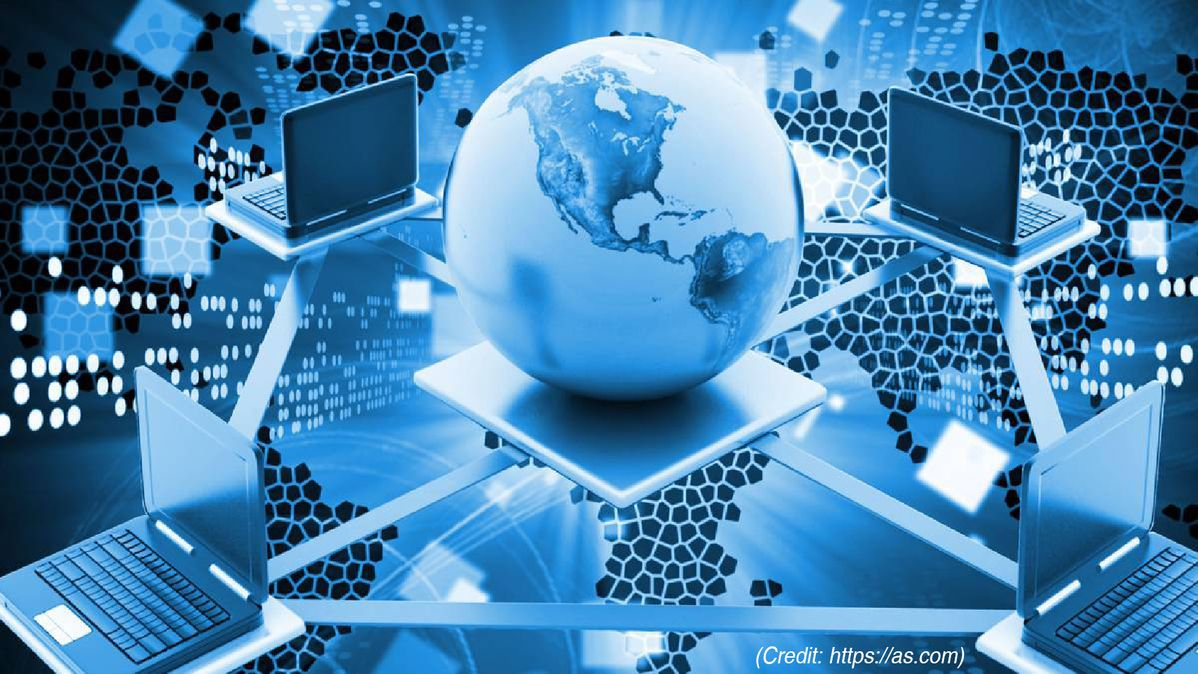
Furthermore, the future of tech products supports global connectivity. With better internet systems and smart devices, people can connect instantly from any part of the world. This improves communication, learning, and collaboration.
Finally, it prepares society for digital transformation. As more industries become digital, understanding these technologies helps individuals stay relevant and competitive in the job market.
Detailed Step-by-Step Guide
Understanding Emerging Technologies
To understand the future of tech products, it is important to start with the basics of emerging technologies. These include artificial intelligence, machine learning, blockchain, internet of things, and robotics. Each of these plays a key role in shaping future innovations.
How Artificial Intelligence is Leading the Future
Artificial intelligence is one of the strongest drivers of the future of tech products. It allows machines to learn from data and make decisions without human input. AI is used in healthcare diagnosis, customer service chat systems, and smart recommendations in apps.
Role of Smart Devices and IoT
Smart devices are becoming more common in homes and workplaces. The Internet of Things connects these devices, allowing them to communicate with each other. This creates a fully automated environment where lights, security systems, and appliances can be controlled remotely.
Growth of Wearable Technology
Wearable technology is another important part of the future of tech products. Devices like smartwatches and fitness trackers help people monitor health and fitness in real time. Future wearables may even detect diseases early or improve mental health tracking.
Cloud Computing and Data Expansion
Cloud computing is transforming how data is stored and accessed. It allows users to save information online instead of physical devices. This makes data more secure and accessible from anywhere in the world.
Robotics and Automation in Daily Life
Robotics is no longer limited to factories. It is now entering homes, hospitals, and service industries. Robots can assist in cleaning, surgery, and even customer service roles. Automation reduces human workload and increases productivity.
Benefits of Future of Tech Products
- Improves efficiency in personal and professional tasks
- Reduces manual workload through automation
- Enhances communication across global networks
- Provides better healthcare solutions through smart diagnostics
- Increases productivity in industries and businesses
- Makes education more interactive and accessible
- Supports remote working and digital collaboration
- Encourages innovation and new business opportunities
Disadvantages / Risks
- High dependency on technology may reduce human skills
- Privacy concerns due to data collection and storage
- Cybersecurity threats and hacking risks
- Job displacement due to automation
- High initial cost of advanced technology adoption
- Technical failures can disrupt systems and services
- Overuse of devices may affect health and lifestyle balance
Common Mistakes to Avoid
One common mistake is ignoring cybersecurity. As the future of tech products becomes more advanced, protecting data becomes extremely important.
Another mistake is over-reliance on automation. While machines are helpful, human decision-making is still necessary in many areas.
People also make the mistake of not updating their knowledge. Technology changes quickly, and staying updated is essential to remain competitive.
Businesses sometimes adopt new tools without proper training, which leads to inefficiency. Proper education and understanding are required before using advanced systems.
Finally, ignoring ethical concerns is another major mistake. Technology should be used responsibly to avoid misuse and negative impact on society.
FAQs
1. What does future of tech products mean?
The future of tech products refers to upcoming innovations in technology such as AI, smart devices, robotics, and automation that improve daily life and business operations.
2. How will tech products change in the future?
Tech products will become more intelligent, automated, and connected. They will be able to learn user behavior and make decisions without human input.
3. What industries will benefit most?
Healthcare, education, transportation, business, and entertainment industries will benefit the most from the future of tech products.
4. Is artificial intelligence part of future tech products?
Yes, artificial intelligence is a key part of the future of tech products and is used in many applications like automation, analytics, and smart assistants.
5. Will future tech products replace jobs?
Some jobs may be replaced due to automation, but new job opportunities will also be created in technology development and management fields.
6. How can beginners understand future tech trends?
Beginners can start by learning basic concepts of AI, IoT, and cloud computing and following simple guides, online courses, and tech updates regularly.
Expert Tips & Bonus Points
Stay updated with technology news regularly to understand changes in the industry. Focus on learning basic digital skills such as data handling and online tools. Invest time in understanding artificial intelligence because it will dominate the future of tech products.
Businesses should adopt new technologies gradually instead of rushing into full transformation. Testing and training are important before full implementation.
Individuals should focus on digital literacy to stay relevant in the job market. Understanding how systems work gives a strong advantage in modern careers.
Security should always be a priority. Use strong passwords, secure networks, and updated software to protect personal and business data.
Finally, always balance technology use with real-life activities to maintain a healthy lifestyle.
Conclusion
The future of tech products is shaping a new digital world where intelligence, automation, and connectivity define everyday life. From smart homes to advanced healthcare systems, technology is becoming deeply integrated into human activities. The future of tech products is not just about innovation but about improving the quality of life and creating smarter solutions for global challenges.
As technology continues to evolve, individuals and businesses must adapt to stay relevant. Learning and understanding these changes will open new opportunities in different industries. The rise of artificial intelligence, automation, and smart systems shows that the future is already here, and it is growing rapidly.
However, it is also important to use technology responsibly. While the future of tech products brings many benefits, it also comes with challenges such as privacy risks and job changes. By balancing innovation with awareness, society can fully benefit from these advancements.
In the coming years, technology will continue to transform the world in powerful ways, making life more efficient, connected, and intelligent than ever before.
